
How to get best of SM, PM & DM
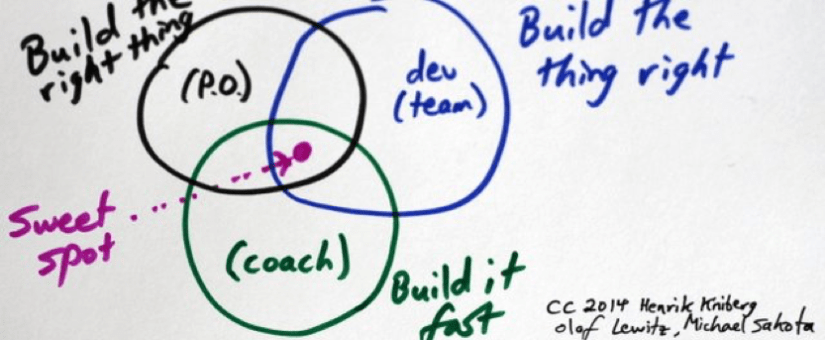
Very recently, while facilitating a retrospective, a key concern emerged: the Product Manager was perceived as stepping on the toes of the team, the Service Manager, and the Delivery Manager.
How often have you encountered this scenario?
I have seen similar situations across multiple organisations, including GDS, Home Office Digital, and the private sector. Many colleagues report the same confusion around the roles and responsibilities of Service Managers, Product Managers, and Delivery Managers.
The GDS Service Manual describes these roles, but in practice they are not always well understood—sometimes not even by the people performing them. This lack of clarity can lead to overlap, tension, and delivery inefficiencies. Through this blog, I want to share some thoughts on the problem and offer simple ways to get the best from all three roles.
Focus on Outcomes, Not Job Titles
The roles do differ, but rather than focusing rigidly on titles, we should focus on shared outcomes and interests.
Roles made sense when organisations followed a single, predictable way of working. Modern product teams, whether agile or not, succeed when they prioritise what is best for the product and its users, not personal ownership of responsibilities.
When teams align around outcomes, they avoid blame culture: “That’s their responsibility, not mine.”
Instead, they rally around a shared goal: delivering a service that meets user needs.
A Simple Lens to Understand the Three Roles
A helpful way to think about the relationship between these roles is through three core activities:
Do the right thing
Do things right
Get better every day
Each role contributes differently, but they must operate together.
Service Managers and Product Managers focus heavily on understanding needs, shaping the service, and ensuring the right problems are solved.
The team builds those needs in the right way.
Delivery Managers (or Agile Coaches) enable continuous improvement—helping the team become more effective every day.
The intersection of these perspectives is what leads to successful products and healthy teams.
Why Confusion Happens
In practice, boundaries blur because:
All three roles care about outcomes.
All three interact with stakeholders and users.
All three influence delivery decisions.
Without shared understanding, this overlap can feel like interference rather than collaboration.
But the overlap is intentional, it is where value is created.
Practical Steps to Avoid Role Tension
A few simple activities at the start of a project can prevent many of these issues.
1. Align on Outcomes and Impact
Hold a session to define:
What success looks like for the service
What user outcomes matter most
How value will be measured
This ensures everyone is solving the same problem.
2. Agree Ways of Working
This sounds basic, but it is powerful.
Discuss expectations such as:
Team availability and working patterns
Communication preferences
Decision-making approaches
These conversations build empathy and trust early.
3. Run a “Definition of Done” Workshop
Map the lifecycle of a story from idea to delivery.
This creates transparency about:
Who contributes where
What quality means
When work is truly complete
Make this visible to the whole team.
4. Clarify Expectations Between the Three Roles
Have a dedicated conversation between the Product Manager, Service Manager, and Delivery Manager to define how they will collaborate to achieve outcomes.
Share this agreement openly with the team.
The Result: Shared Responsibility, Not Silos
These steps strengthen collaboration and create shared ownership. Teams can then explore multiple solutions and identify the “sweet spots” that maximise value.
In one project I worked on, the multidisciplinary team, including the Service Manager, User Researcher, and others, operated with this shared mindset. Together, we delivered services such as Help Refugees and a supporting caseworking tool at pace while meeting real user needs.
Final Thought
Successful delivery does not come from protecting roles, it comes from blending perspectives around a common purpose.
When Product, Service, and Delivery leadership align on outcomes, teams move faster, learn continuously, and deliver services that genuinely work for users.






We process data in compliance with the Data Protection Act 2018 and UK GDPR. Individuals with diverse backgrounds, including those with criminal records (subject to the Rehabilitation of Offenders Act 1974), are encouraged to apply.